Switching Into IT Is More Accessible Than You Think
Switching into an IT career has become far more accessible than it was a decade ago. People used to assume only computer science graduates could enter tech — that’s no longer true. Cloud adoption, data-driven decision-making, cybersecurity needs, and AI-assisted workflows have created huge demand for both coding and non-coding IT roles, and companies are genuinely looking for people who think logically, communicate clearly, and are willing to learn — qualities that aren’t tied to any specific degree.
That means people from commerce, arts, science, diploma programs, teaching, or even a career gap can transition successfully into IT. The industry increasingly evaluates your skills and portfolio, not your previous field — and with focused effort, a realistic transition timeline is 3–6 months.

Who Can Actually Switch to IT
The old idea that IT careers are only for engineering or CS graduates is genuinely outdated. Commerce graduates tend to do well as Business Analysts or Data Analysts, since they already understand finance and operations. Arts graduates often shine in UI/UX design, QA testing, and content-technology roles. Science graduates fit naturally into data analytics, cloud support, and networking. Diploma and polytechnic graduates move smoothly into IT helpdesk, cloud support, and QA roles. Teachers, who already have strong communication skills, often do well as Business Analysts, Scrum Masters, or Technical Writers.
Customer support professionals — who already understand user issues and structured problem tracking — often move well into Technical or Product Support. Even people returning after a long career break have entered IT successfully after focused upskilling. Your background matters far less than the specific skill roadmap you follow.
Coding vs. Non-Coding Roles
Coding roles involve building software and writing logic — software development, automation testing, cloud development, and data engineering all fall here, and they require consistent practice with an actual programming language. Non-coding roles cover analysis, testing, documentation, design, and support — manual testing, business analysis, data analysis, UI/UX design, technical support, cloud support, and IT helpdesk. Both paths offer real long-term growth; the right choice depends on your natural strengths, not which one sounds more “technical.”
Realistic Beginner Salaries in India
| Role | Typical Starting Range |
|---|---|
| Manual Tester | 3–5 LPA |
| IT/Technical Support | 2.5–4.5 LPA |
| Cloud Support | 4–6 LPA |
| Business Analyst | 4–7 LPA |
| Data Analyst | 4–7 LPA |
| UI/UX Designer | 3–6 LPA |
| Entry-Level Developer | 4–8 LPA |
Real growth comes after your first 2–3 years — with steady upskilling, these ranges commonly double or triple.
Why Demand Keeps Growing
Cloud adoption remains one of the biggest growth drivers as companies migrate from physical servers to AWS, Azure, or Google Cloud, opening roles well beyond just cloud support — into DevOps and system administration too. Cybersecurity keeps expanding as more business runs on digital data. QA and testing stay evergreen since new products and updates never stop shipping, and data analytics demand keeps rising as more decisions get made from data rather than intuition. The growth of AI tools is, somewhat counterintuitively, creating more human-supervision and AI-operations roles too, not fewer.
The Mindset This Transition Actually Requires
Switching into IT isn’t just about learning new skills — it takes patience, since consistency beats raw intelligence here. Even 1–2 hours of focused daily learning can meaningfully change your trajectory in a few months. You’ll need to get comfortable with early mistakes as part of learning, and accept that your first IT job probably won’t be your dream role — it’s your entry point, and real growth comes after that.
Fixing the Common Skill Gaps
Most career switchers share the same starting gaps: weak IT fundamentals, no hands-on tool experience, and low confidence explaining concepts out loud. Start with the real basics — how an OS and the internet actually work, basic networking, SDLC, and Agile — then build a genuine portfolio specific to your domain: testers prepare test cases, analysts prepare user stories and process diagrams, data analysts build dashboards, developers build small web apps. A real project, however small, builds far more credibility than a certificate alone.
Choosing the Right Domain for You
If you like structured, logical thinking, testing, analytics, or development fit well. If you’re naturally creative, UI/UX or frontend development is a better match. If communication is your strength, business analysis or Scrum Master roles play to that directly. If you enjoy systems and troubleshooting, cloud or technical support suits you. The right domain lines up with your actual personality and strengths, not just which one sounds most impressive.
A Realistic Step-by-Step Roadmap
Month one: fundamentals — computer basics, networking, SDLC, Agile, and basic SQL. Month two: domain-specific learning and hands-on tool practice. Month three: build your portfolio with real projects. Month four: polish your resume, optimize LinkedIn, and start applying. From there: consistent technical and HR interview preparation.
Building a Portfolio That Actually Convinces Recruiters
Testers should prepare test cases, test plans, and bug reports. Business analysts should prepare BRDs, FRDs, and user stories. Data analysts should build dashboards and SQL case studies. UI/UX designers should produce wireframes and prototypes. Developers should build small web apps or APIs. Cloud learners should deploy something real and document the architecture. This is what actually proves readiness in an interview — far more than a list of completed courses.
Resume, LinkedIn, and Getting Interviews
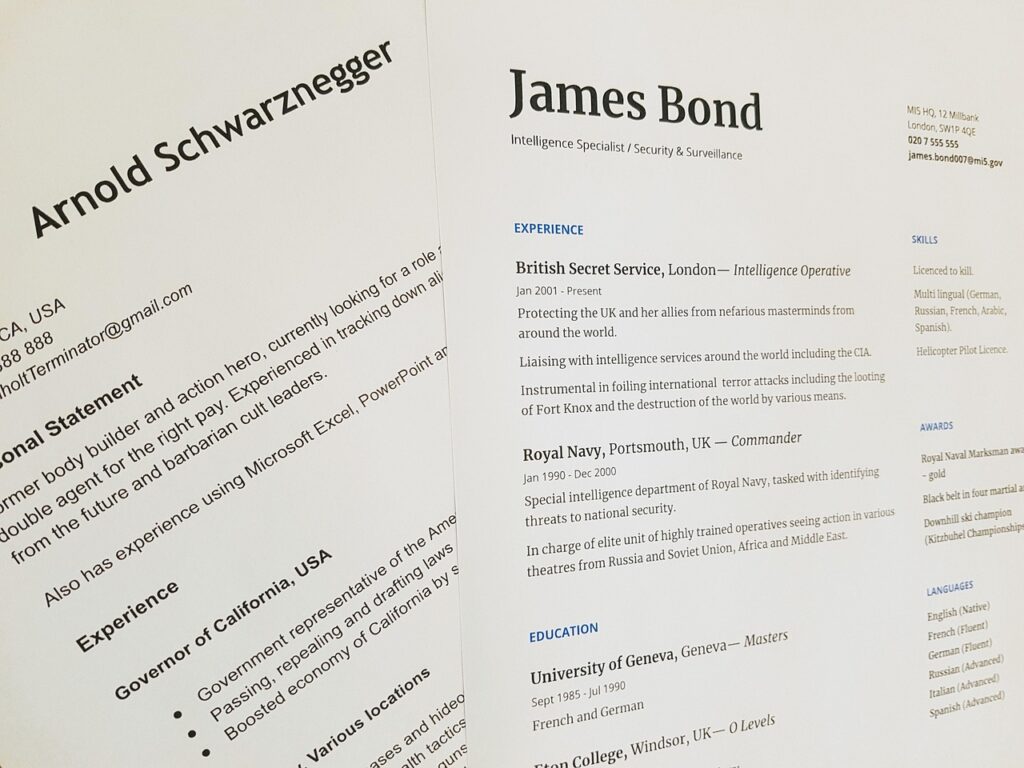
Your resume should foreground your new, relevant skills and projects, not your unrelated past role. Keep LinkedIn active too — a clear headline, an honest “About” section describing your transition, and visible project uploads all help. Apply consistently across LinkedIn, Naukri, and Indeed, and don’t underestimate direct outreach to recruiters for a referral — even 10–15 genuine daily applications tend to produce real callbacks within a few weeks.
Interview Preparation
Expect domain-specific technical questions — testing concepts, SQL queries, BA documentation, or coding fundamentals depending on your track — and practice explaining your own projects clearly out loud. HR questions matter just as much: be ready to explain honestly why you’re switching to IT and why this specific domain, with genuine confidence about your learning journey so far.
Long-Term Growth After Your First IT Job
The first job just opens the door — growth comes from what you do after. Manual testers commonly move into automation. Business analysts grow into product owner roles. Data analysts can move toward data science. Cloud support engineers can grow into cloud architects. With real experience, both salary and responsibility tend to grow quickly.
Final Thoughts
Switching into IT in 2026 is genuinely achievable with consistency and the right learning path. Focus on fundamentals, pick a domain that actually fits you, build real projects, and keep applying steadily. Don’t rush it, and don’t compare your timeline to anyone else’s — steady, focused effort over a few months is what actually changes a career.
Founder, Job Visit — helping Indian freshers navigate careers, interviews, and job search.