The Real Skills That Matter More Than Your Degree: What Employers Actually Look For
Why Degrees Alone No Longer Guarantee Success

For decades, students grew up believing that a degree would automatically open doors to stable careers. But the modern job world has shifted dramatically, and companies no longer treat degrees as the main indicator of readiness. Recruiters see thousands of graduates with similar qualifications, similar marks, and similar college experiences, which makes academic credentials feel repetitive. What separates one candidate from another is not the certificate they hold but the skills they carry into the workplace.
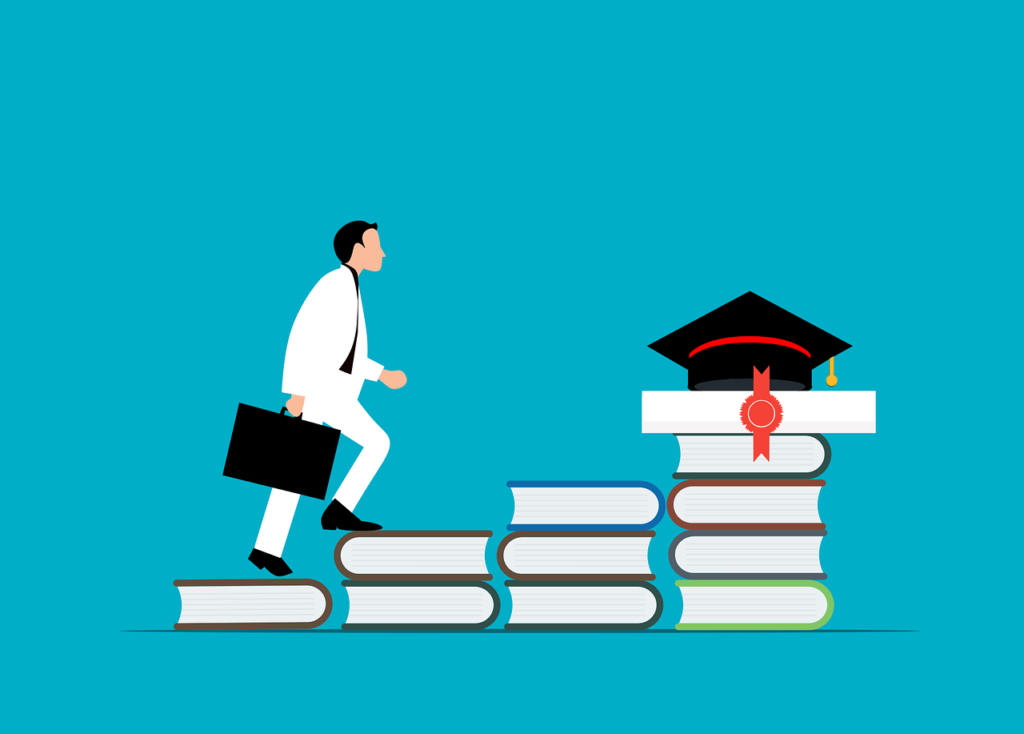
Today’s hiring managers focus on how well you solve problems, how you communicate, how quickly you learn, and how you adapt to new environments. These qualities influence performance far more than textbook knowledge. This is why many graduates with strong academic backgrounds struggle, while those with practical and people-oriented skills progress faster. The world is moving toward skill-based hiring, and degrees now act as foundations—not final qualifications.
How Employers Now Define a “Valuable” Candidate
In earlier generations, value was measured through academic merit, gold medals, and university ranks. But as industries evolved, companies realized that theoretical expertise doesn’t always translate into workplace performance. A valuable employee today is someone who contributes consistently, collaborates well, communicates clearly, and adapts without hesitation.
Employers aren’t impressed by the title of a degree—they’re impressed by how a candidate thinks, behaves, and responds to real-world challenges. A person who can break down a problem logically and propose solutions is far more useful than someone who recites definitions. This shift has completely changed how hiring works. The question is no longer “What did you study?” but “How do you work?” And that single shift explains why skills matter more than degrees.
Communication Skills: The Backbone of Any Professional Profile
Communication has become the core skill across industries. It doesn’t mean speaking fancy English or memorizing phrases—it means conveying ideas clearly, listening actively, and responding thoughtfully. Companies value clarity because unclear communication creates confusion, delays, and errors.
Even in roles that require technical expertise, communication determines how well you explain your reasoning, how confidently you interact with clients, and how effectively you work in teams. Many capable freshers lose opportunities because they cannot express their thoughts convincingly. On the other hand, an average candidate with strong communication often outperforms others simply because they can present themselves better.
Why Interviewers Stress So Much on Communication
Interviewers listen for structure in your answers—whether you speak with purpose, whether your ideas flow smoothly, and whether you sound prepared. Your tone, pace, confidence, and clarity reveal your mindset more than your degree ever will. Communication is not just a skill—it is a reflection of who you are inside the workplace.
Problem-Solving Ability: The Skill That Shows Your Real Thinking
Every company, big or small, faces daily challenges. They don’t want employees who freeze when something unexpected happens. They want thinkers—people who observe situations, analyze them calmly, and propose solutions.
Problem-solving is not about knowing the perfect answer; it’s about showing your process. When interviewers ask scenario-based questions, they want to understand how your mind works. Do you approach problems logically? Do you stay calm when you are unsure? Can you break down complex issues into manageable steps? These qualities show maturity and readiness for real-world responsibilities.
A degree may give you knowledge, but problem-solving proves that you can apply it.
In addition, one thing is for sure: that without this preliminary work, we probably would not have reached that decision so soon.
Adaptability: The Skill That Keeps You Relevant Everywhere

Workplaces today evolve faster than ever. New tools emerge, new processes form, and new markets open constantly. Because of this, companies value employees who adapt easily rather than resist change. Adaptability shows a willingness to learn, an ability to adjust, and a sense of emotional balance.
Candidates who adapt quickly are viewed as long-term assets. They take feedback positively, learn new responsibilities without complaint, and adjust to team dynamics smoothly. This flexibility reduces the burden on managers and increases trust.
A person stuck in old patterns struggles, but someone adaptable thrives even in unfamiliar situations.
Why Adaptability Beats Many Academic Achievements
A degree may tell an employer what you learned in the past, but adaptability tells them whether you can learn in the future. And for most companies, the future matters far more.
Learning Ability: The Invisible Skill That Predicts Career Growth
Companies don’t expect freshers to know everything. They expect them to learn quickly. Learning ability means absorbing new concepts without fear, experimenting with new tools, asking insightful questions, and staying open to change.
People with greater learning capability thus grow faster, accept responsibilities more quickly, and are promoted faster. Those who resist learning or wait for constant guidance lag behind.
How Recruiters Test Learning Ability Without Asking Directly
Interviewers often observe how you respond to unfamiliar questions. If you think calmly, try to reason, and express willingness to understand, they see learning ability. If you panic, guess blindly, or give up instantly, they sense rigidity.
Ability to learn is a mindset-it’s what keeps careers moving when industries change.
Emotional Intelligence: The Human Skill That Shapes Every Workplace Interaction
Emotional intelligence, or EQ, is your ability to understand your emotions and manage your reactions. It influences how you work with people, handle stress, solve conflicts, and build professional relationships.
A person with strong EQ stays calm under pressure, accepts feedback maturely, supports colleagues, and builds trust within teams. Someone with poor EQ creates friction, reacts emotionally, and struggles to collaborate. Companies know that emotional intelligence determines team harmony, productivity, and leadership potential.
Why EQ Matters More Than Many Degrees
Teams don’t fail due to a shortage of technical skill but rather due to faulty communication, ego clashes, stress, or misunderstandings-all troubles involving EQ. Thus, emotional intelligence is one of the most valuable talents in contemporary workplaces.
Professionalism: The Behaviour that Precedes Skills in Creating Credibility
Professionalism is not taught in college, but it defines how you are perceived at work. Professionalism reflects in your talking, writing, listening, time management, and response to tasks, and discipline. Most freshers underestimate this skill, but the employer knows that it’s directly proportional to their reliability.
A professional employee is one who respects others, meets deadlines, acts their age, and sets appropriate boundaries in the workplace. When you are professional, people trust you, rely on you, and believe you are capable of responsibility. Even if your technical skills take longer to develop, professionalism can give you an early edge because managers would always want to work with people who are disciplined, respectful, and self-managing.
Ownership Mindset: The Quality Employers Secretly Value Most
Ownership means accountability—be the task small, routine, or new. It means doing work without being pushed, solving problems with no excuses, and completing a task with accountability. Freshers demonstrating ownership are liked instantly, as they decrease the workload of the manager instead of increasing it.
An ownership mindset does show seriousness and long-term potential. Some employees finish a task because it was assigned; others finish it because they feel responsible for the outcome. Employers want to work with the second type. Ownership is one such factor that no degree can teach; rather, it is a personal standard you set. This single skill is perhaps the reason certain professionals grow faster than the rest, even when they start off from the same level.
Collaboration Skills: Strength Behind Every Powerful Team
No matter how talented the individual might be, no job today is done in isolation. Collaboration is what defines the work process and flow within a team. It involves listening, adjusting, supporting others, giving credit, and contributing without ego.
Employees with strong collaboration skills make for stronger teams. They bring calm energy, positive interactions, and stability in communication. Teams trust them, and managers rely on them. Meanwhile, people who cannot collaborate well create conflicts, misunderstandings, and inefficiency, even when they are skilled.
That is why recruiters observe how respectfully you talk, how well you listen during interviews, and how open you seem to other people’s ideas. Collaboration is a skill that silently determines how well you will fit into the culture of a company.
Practical Knowledge: What Colleges Don’t Teach but Companies Expect
The largest gap between degrees and jobs is in practicality. While colleges teach theory, companies expect efficiency, task management, e-mail etiquette, documentation, research ability, and problem-solving from students. Many freshers enter jobs without even knowing basic professional operations.
Practical knowledge is knowing how to write a proper email, how to take notes, how to structure reports, how to present thoughts, and how to work with simple tools like spreadsheets and documentation. This speeds up one’s work and makes it smoother, showing the employers that one is ready for work.
Freshers who gain practical knowledge by doing internships, projects, or even online learning enter the interviews with confidence, as they know how things really get done.
Critical Thinking: The Skill Behind Sound Judgment and Smart Decisions

Critical thinking is the capability of analyzing information, evaluating situations, questioning assumptions, and making decisions based on facts and reasoning. Companies appreciate employees who do not just follow instructions but understand why things are done and how to improve them.
In situations of adversity, critical thinkers do not tend to get unnecessarily flustered but break down the situation into smaller bits, analyze every angle of it, and suggest an intelligent approach. This trait leads to a minimum number of mistakes and maximum innovation, ultimately increasing productivity.
Critical thinking has less to do with intelligence and more to do with awareness. It’s developed when you pay attention, ask “why,” and reflect on outcome. Employers understand that people with strong critical thinking skills will become leaders.
Confidence: The quiet strength that shapes every interaction
People tend to think confidence is loudness or assertiveness, but the real confidence is calmly, steadily, and in self-awareness rooted. It exudes from your tone, posture, eye contact, and ability to speak without rushing.
Interviewers can tell confident candidates in an instant-not because they speak perfect English, but because they speak clearly and calmly. Confidence will help you to communicate better, learn faster, and handle feedback well. A candidate who is confident but has average academic scores often performs better than someone who has a great degree but low self-trust. Confidence is not about knowing everything; it is about trusting your ability to figure things out.
Clarity of Goals:
Why Direction Matters More Than a High CGPA Companies don’t like to hire people who don’t know what they want because a lack of direction often leads to low commitment and early resignation. When you express a clear career intent, you are showing stability and seriousness. Clarity does not imply having a lifelong plan; it simply means understanding why one chooses a certain role and how they hope to grow in that role. Confidence in explaining why they want the job makes interviewers feel more secure hiring them. Goal clarity will save you from confusion, poor role choices, and increase performance simply because you know what you are working towards.
Digital Literacy: The New Fundamental Skill
for Every Career Digital literacy has become as imperative as basic communication. Irrespective of your degree, every job these days demands comfort with spreadsheet tools, presentation tools, dashboards, emails, scheduling software, and research platforms. Freshers who are not digitally confident fumble with even the easiest tasks. Digital literacy doesn’t require technical acumen; it demands curiosity and the willingness to explore digital tools. A digitally skilled employee adapts faster, learns new systems in a breeze, and is effective. Companies valuing this over many academic credentials shows that digital skills reflect modern readiness. In a world where work is increasingly hybrid and digital-first, digital literacy is no longer optional; it’s a core expectation. tho’,
Conclusion:
Competencies Build Careers, Degrees Only Begin Them Degrees open the door, but skills build the journey. The modern professional world rewards those who communicate clearly, think independently, collaborate effectively, adapt quickly, and learn continuously. These skills shape careers, influence promotions, and create opportunities that academic qualifications alone cannot. When freshers focus on building these real-world capabilities, they stop worrying about competition and start standing out naturally. Companies don’t want perfect candidates—they want capable, confident, and adaptable individuals ready to grow. Your degree may tell employers what you studied, but your skills tell them who you are. And in the end, who you are matters more.