The New Reality of Work in 2026
2026 is shaping up to be one of the most competitive and fast-moving periods for job seekers. The workforce is evolving faster than most people expected, driven by automation, AI tools, remote hiring, and companies restructuring how they operate. Unlike a decade ago, when your degree largely dictated your opportunities, employers now care far more about adaptability, digital fluency, and a genuine willingness to keep learning — whether you’re a fresher or a working professional.
Facing this market well isn’t about memorizing interview answers — it’s about understanding where the world is heading and preparing to meet those expectations with real skills, not just credentials.
Why This Job Market Feels Different
Companies are more selective now, not because they want to reject people, but because they want candidates who can contribute quickly and adapt as tools and processes shift. As automation takes over repetitive tasks, human workers increasingly need to lean on the things machines still can’t do well — judgment, communication, creativity, and genuine problem-solving.
Remote work has also widened the competition — a fresher in India isn’t just up against local candidates anymore, but against professionals anywhere in the world applying for the same remote role. That sounds intimidating, but it cuts both ways: skilled people now get access to opportunities that used to require relocation.

The Mindset That Actually Matters
The biggest mistake job seekers make is focusing only on technical skills while ignoring mindset. Companies want people who show resilience, curiosity, and self-driven learning — freshers especially need to drop the expectation that someone will train them step by step, since self-learning is increasingly the default.
Developing a problem-solver’s mindset — someone who doesn’t panic under pressure and takes initiative instead of waiting to be told what to do — matters as much as any specific technical skill on this list.
Digital Literacy: The Baseline, Not the Bonus
Digital literacy is no longer optional in any field — IT, marketing, finance, or operations. It doesn’t mean coding; it means being genuinely comfortable navigating cloud storage, collaboration platforms, dashboards, CRM systems, and professional email and chat etiquette, without needing constant hand-holding.

The Core Skills That Matter More Than a Degree
| Skill | Why It Matters |
|---|---|
| Communication | Still the top hiring criterion at most companies, technical or not |
| Problem-solving | Shows you can handle real ambiguity, not just follow instructions |
| Critical thinking | Employers want people who question unclear tasks, not operate on autopilot |
| Adaptability | Tools and processes shift every few months now — rigidity gets you left behind |
| Professional etiquette | Punctuality, clarity, and consistency separate serious candidates from casual ones |
IT Skills in Real Demand
Cloud fundamentals (AWS, Azure, Google Cloud) remain foundational — even beginners can find entry-level cloud support roles with basic certification. Data skills — SQL, Excel, Power BI, and basic Python — open doors to data analyst and BI analyst roles that keep growing in demand. Cybersecurity is expanding fast as threats increase, creating entry-level openings for SOC analysts and compliance support roles. DevOps and automation — Linux, Git, CI/CD basics — tend to lead to some of the better-paying technical tracks for people willing to learn the fundamentals properly. QA and testing remains a steady, accessible entry point — manual testing plus basic automation knowledge is enough to start. And AI-assisted productivity — genuinely knowing how to use AI tools well for research, writing, and analysis — is becoming a baseline expectation rather than a bonus skill.

A Realistic Preparation Roadmap
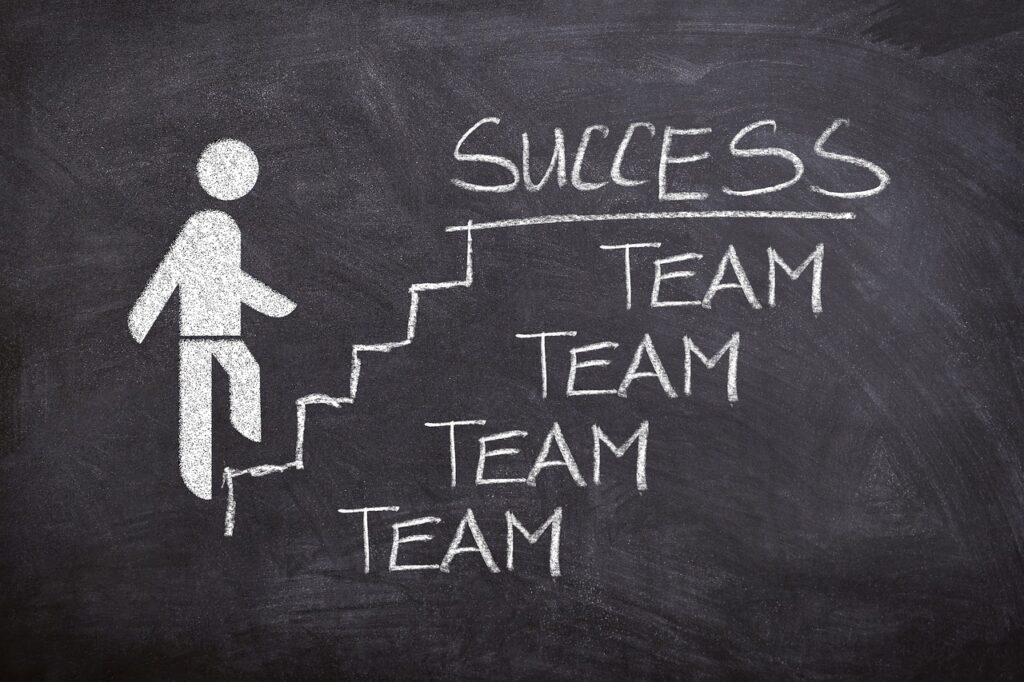
The earlier you start, the smoother the journey. Build core fundamentals first, then pick a domain that genuinely fits your interests — IT support, cloud, data, QA, cybersecurity, DevOps, or a non-IT technical track like digital marketing or UI/UX. The real secret is learning one thing deeply rather than skimming everything.
A workable structure: learn fundamentals, practice consistently, build one or two small real projects, sharpen communication, then start applying for internships or entry-level roles. This order builds genuine confidence instead of the shallow kind that falls apart under interview pressure.
Your Online Presence Is Part of Your Application Now
Many recruiters look candidates up online before ever inviting them to interview. A clean LinkedIn profile with a clear headline (Cloud Engineer trainee, Data Analyst fresher, QA tester, whatever fits your direction), a short honest summary of what you’re learning, and any real projects or internships listed, does real work for you before the interview even starts. This matters most when you don’t have formal experience yet — a visible learning journey substitutes for a resume line.
Building a Resume That Sounds Like You
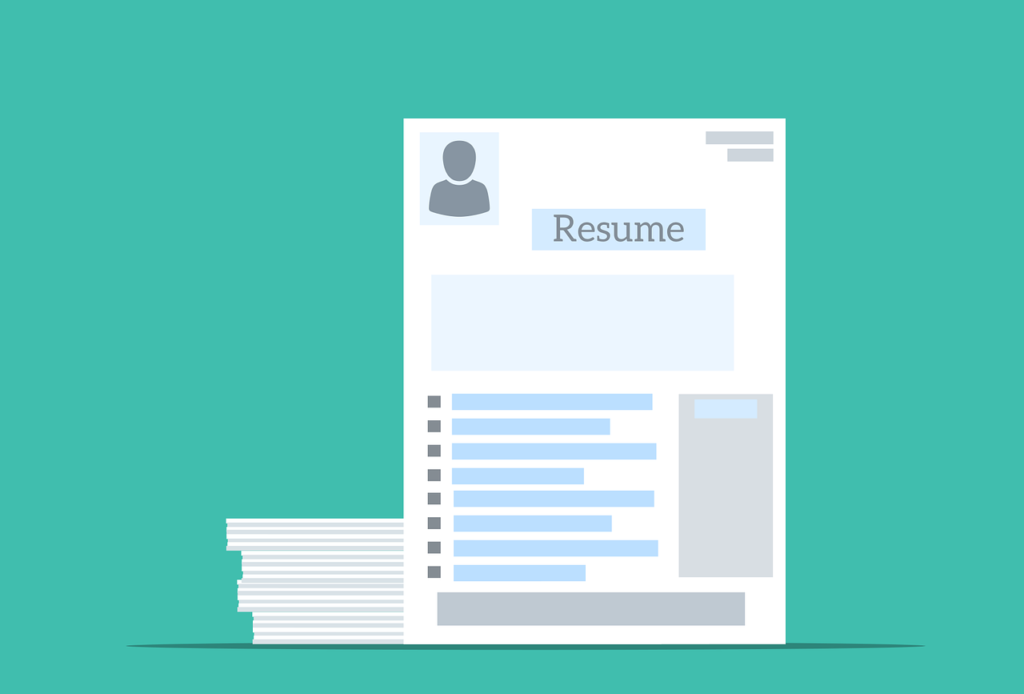
Recruiters spend seconds, not minutes, deciding whether to shortlist someone. Your resume needs to communicate clarity and relevance instantly — real skills learned, real (even small) projects completed, action-oriented lines, and clean formatting that an ATS system can actually parse correctly.
The most common fresher mistake is copying resume lines from a template without understanding them — recruiters catch this instantly in a follow-up question. A resume that sounds like an honest description of what you actually did beats an impressive-sounding one that falls apart under a single clarifying question.
How to Actually Prepare for Interviews
Interview prep isn’t about memorizing answers — it’s about understanding concepts well enough to explain them clearly under pressure. Interviewers are watching three things above all: how well you understand the fundamentals, how confidently you express your thinking, and how genuinely curious you are about learning more.
A workable prep strategy: understand the concept properly first, practice explaining it out loud, do a few mock interviews with a friend or mentor, and be honest when you don’t know something rather than bluffing. Interviewers consistently prefer a candidate who says “I’m not sure, but here’s how I’d figure it out” over one reciting a memorized, generic answer.
Why Soft Skills Decide Who Actually Grows
Technical knowledge gets your foot in the door; soft skills decide whether you grow once you’re inside. Communication, teamwork, task ownership, emotional stability, and adaptability are what make managers trust you with bigger responsibilities over time. As automation absorbs more repetitive work, the human edge increasingly comes down to behavior and judgment, not raw technical output.

Real Projects Beat Certificates
Companies want proof you can actually use what you claim to know. Cloud learners can deploy a simple website or basic architecture; data learners can build a dashboard or analyze a public dataset; QA learners can write real test cases against a sample app; cybersecurity beginners can run a basic vulnerability scan on a sandbox tool. None of these need to be polished — they need to be real. When two candidates have similar skills on paper, the one with an actual project to show almost always gets picked first.

Staying Relevant Means Never Fully Stopping
Technologies keep shifting, and job responsibilities expand quietly over time. Stop learning after your first job, and you’ll eventually feel the gap. Even 20 minutes a day of deliberate skill upkeep — revisiting fundamentals, trying a new feature of a tool you already use, reading about what’s changing in your field — keeps you from falling behind without requiring constant, expensive re-training.
Facing 2026 With Real Confidence
This job market isn’t something to fear — it’s something to prepare for deliberately. Competition will keep rising and expectations will keep shifting, but genuine opportunity keeps growing too, for people who are skilled, adaptable, and honestly committed to learning. Your degree won’t determine your outcome nearly as much as your mindset and consistency will. Build real fundamentals, pick a direction that fits you, practice with actual discipline, and present yourself honestly online and in interviews — that combination is what actually separates people who thrive in a fast-moving market from people who feel constantly behind it.