Companies now manage thousands of applications a month, and manual screening by a human simply isn’t possible at that scale anymore. That’s why the Applicant Tracking System (ATS) sits at the center of hiring today — software that scans, parses, and ranks resumes before any recruiter ever sees them. A resume that looks great to a human can be functionally invisible to this software if it isn’t built the right way, which means plenty of qualified people get filtered out for reasons that have nothing to do with their actual skills.
How ATS Actually Reads Your Resume
An ATS functions more like a database than a smart reader — it scans your document, tries to parse it into fields like name, job titles, skills, and experience, then checks how well those fields match the job description. If your formatting is too creative — icons, text boxes, multi-column layouts, unusual fonts — there’s a real chance key information gets misread or dropped entirely. The system reads left to right, top to bottom, and rewards plain, consistent, predictable structure over visual flair.
Why Plain Resumes Consistently Beat Fancy Ones

Icon-heavy, sidebar-style resumes look modern, but the ATS can’t reliably interpret an icon as a phone number or extract text embedded in a graphic. What actually works is a left-aligned, single-column layout with clear standard headings (Experience, Skills, Education) and a readable font. Recruiters sometimes literally look at what the ATS extracted from your resume — messy formatting means missing information on their end, not just yours.
Keywords: Natural Integration, Not Stuffing
ATS systems check whether your resume contains the specific skills, tools, and job titles mentioned in the posting. But cramming in keywords unnaturally backfires — the system can detect an unnatural pattern just as a human reader can. The better approach is weaving relevant terms into real descriptions of what you did: instead of just listing “communication skills,” describe a specific situation where clear communication actually mattered.
A Do’s and Don’ts Quick Reference
| Do | Don’t |
|---|---|
| Use a single-column, left-aligned layout | Use icons, text boxes, or multi-column designs |
| Match keywords from the actual job posting | Stuff in keywords unnaturally or out of context |
| Use action verbs (managed, built, resolved) | List responsibilities passively (“was responsible for”) |
| Keep formatting consistent across sections | Mix bullet styles, dashes, and heading formats |
| Tailor your resume per job description | Send one identical resume everywhere |
Structuring Your Resume the Way ATS Expects
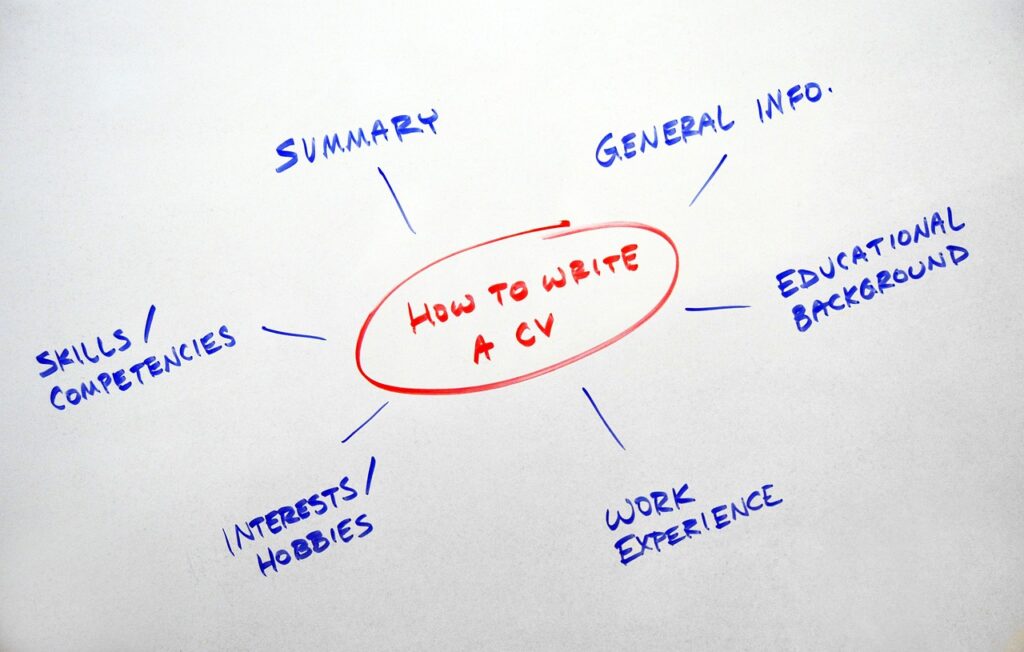
A reliable structure runs: header, summary, experience, skills, education, certifications — in that order. Your header needs correct, findable contact information. Your summary (three to five lines) should state your core skills and direction clearly, without generic filler like “hardworking individual seeking opportunities.” Your experience section should lead with strong action verbs — managed, implemented, resolved, optimized — followed by what you actually did and, where possible, a measurable outcome.

Even without hard numbers, you can usually show impact in words: “resolved customer queries with a focus on faster response times” reads far better than “responsible for customer support,” and both a human and the ATS pick up on that difference.
Match Your Format to Your Career Stage

One resume format doesn’t fit everyone. Freshers do better with a skills-focused resume that emphasizes projects and coursework since work history is thin. Experienced professionals should center achievements and measurable outcomes. Career-switchers need a hybrid approach — highlighting transferable skills prominently while still being upfront about the pivot, rather than trying to disguise it.
The Skills Section Is a Strategic Tool, Not a Filler
Most ATS systems extract your listed skills and directly match them against the job posting — outdated or irrelevant skills quietly drag your ranking down, while accurately aligned ones lift it. Hard skills (specific tools, technical abilities) tend to matter more for clearing the ATS itself; soft skills matter more once a human recruiter is actually reading. A good skills section reflects your genuine strengths and stays honestly aligned with the role, rather than listing every buzzword you’ve ever heard.
Education and Certifications: What Actually Moves the Needle
List your institution, degree, and completion year cleanly — this section confirms background rather than trying to impress. Certifications carry real weight though, especially in competitive fields: a recognized course in project management, digital marketing, analytics, or a specific tool adds keyword-relevant depth that both the ATS and a human recruiter read as a genuine signal of continuous learning.
The Most Common Mistakes That Cause Silent Rejection

Images, decorative fonts, complex tables, and unnecessary graphics are the biggest silent killers — the ATS simply can’t parse them reliably. Inconsistent formatting is a close second: switching between bullets and dashes, or inconsistent heading styles, can genuinely confuse how the system reads your sections. Spelling errors matter more here than people expect too, since a misspelled skill or tool name breaks the exact keyword match the system is looking for.

Tailoring Beats Mass-Applying
If a job posting says “customer support” and your resume says “client interaction,” your match score drops, even though the two mean roughly the same thing to a human. Tailoring doesn’t mean rewriting your whole resume for every application — it means adjusting the language and highlighted keywords to mirror each specific posting. Even small adjustments here tend to produce noticeably better results than sending one identical resume to fifty different jobs.
The Final Polish
Before you submit, strip out any unnecessary design elements, check spacing and heading consistency, and proofread every line carefully — since ATS reads in a fairly rigid logical order, clear standard section names matter more than clever ones. The goal is a resume that’s simple enough for the software to parse correctly and confident enough that a human recruiter appreciates it on the very first skim.
Written by Babu Addakula, Job Visit.