How to Face the 2026 Job Market: Skills You Must Learn
Introduction: The New Reality of Work in 2026
The year 2026 is shaping into one of the most competitive and transformative periods for job seekers. The global workforce is evolving faster than expected, fueled by automation, artificial intelligence, decentralized workplaces, remote hiring trends, and companies restructuring the way they operate. Unlike earlier years when degrees dictated your opportunities, 2026 demands adaptability, modern skills, strong digital understanding, and a growth mindset from every candidate—whether you’re a fresher or a working professional. Employers are no longer impressed by the label on your degree; they are impressed by your ability to learn new skills, your willingness to solve problems, and your ability to fit into rapidly evolving industries.
Facing 2026 successfully isn’t about memorizing answers for interviews—it’s about understanding the direction the world is moving in and preparing yourself to meet those expectations confidently. Many people will lose opportunities because they wait for change instead of preparing for it. But those who understand the landscape early and build the right skills will find 2026 to be the year of breakthrough growth.
1. Why 2026 Is Different From Any Previous Job Market
The job market is being reshaped by a combination of economic shifts, digital acceleration, and global hiring expansion. In 2026, companies are more selective not because they want to reject people, but because they want individuals who can contribute immediately, adapt quickly, and grow with the company rather than remain static. The world is seeing faster automation in repetitive tasks, which means human workers must excel in areas where machines cannot replace them—emotional intelligence, creativity, strategic thinking, decision-making, leadership, communication, and problem-solving.
At the same time, remote work has opened the gates for global competition. A fresher from India is not just competing with local candidates but with professionals from every country. This sounds intimidating, but it also means talented people get international opportunities without relocating. The only requirement is skill. The companies of 2026 want efficient, disciplined, learning-oriented individuals who can take ownership and deliver results. Once you understand this shift, preparing for the new landscape becomes much clearer.

2. The Mindset You Need to Survive and Grow in 2026
The biggest mistake job seekers make is focusing only on technical skills while ignoring mindset, which is equally important in 2026. Companies want candidates who demonstrate resilience, curiosity, professionalism, consistency, and self-driven learning. A fixed mindset is the quickest way to get stuck; a growth mindset opens doors everywhere. Freshers must drop the expectation that someone will train them step-by-step. Instead, self-learning is a must.
You need to develop the mindset of a problem solver, someone who doesn’t panic under pressure, doesn’t blame external factors, and doesn’t wait endlessly for someone to guide them. The corporate world in 2026 rewards individuals who are proactive, willing to take initiative, and capable of learning independently. If you see learning as a burden, you will fall behind. But if you see learning as an investment, your career will grow faster than you expect.
3. Digital Literacy: The Foundation Skill of 2026
Digital literacy is no longer optional; it is the minimum expectation. Whether you aim for IT, non-IT, marketing, finance, or operations, every role today runs on digital tools. Companies want employees who can confidently navigate online systems, handle collaboration platforms, understand cloud-based tools, and operate workplace software without constant guidance.
Digital literacy doesn’t mean coding—it means being comfortable with the modern workplace. You should understand:
- How cloud storage works
- How to use dashboards and CRM systems
- How to collaborate using digital tools
How to be professional on email and chat - How to quickly adjust to new software
The workplace is becoming more tech-integrated every year, and 2026 will demand employees who are not afraid of digital tools but enjoy using them.
4. The Core Skills Every Candidate Must Learn for 2026

2026 is skill-driven, not degree-driven. The following skills will matter far more than traditional qualifications:
Communication Skills
Communication remains the number one hiring criterion for many companies. The ability to express ideas clearly, write structured emails, participate in discussions, and convey thoughts confidently matters more than technical knowledge in many roles. Good communication makes collaboration easier and builds trust with colleagues and managers.
Problem-Solving Skills
Companies value people who can identify problems, analyze issues calmly, propose solutions, and learn from mistakes. Problem-solving also means emotional maturity—handling challenges without panic.
Critical Thinking
2026 companies want people who don’t operate on autopilot. They expect employees to evaluate information intelligently, question unclear instructions, understand the “why” behind tasks, and make thoughtful decisions.
Ability to adapt with
The workplace will continue changing rapidly. Tools, processes, and responsibilities will shift every few months. Those who learn fast and adapt smoothly will grow.
Professional Etiquette
Basic professionalism—punctuality, discipline, clarity, respect, consistency—will distinguish serious professionals from casual applicants.
5. IT Skills That Will Dominate 2026
The IT industry remains the fastest-growing field. Here are the most relevant skills for 2026:
Cloud Fundamentals
AWS, Azure, and Google Cloud continue to dominate IT infrastructure. Even beginners can start earning early by understanding cloud basics.
Data Skills
Roles like data analyst, BI analyst, and reporting specialist will grow further. SQL, Excel, Power BI, and basic Python help you enter the data industry.
Cybersecurity
Security threats are rising, creating demand for SOC analysts, security engineers, and compliance specialists—even at entry level.
DevOps & Automation Tools
DevOps improves company efficiency. Learning Linux, Git, CI/CD tools, and containers opens high-income opportunities.
QA & Testing
Software testers remain essential in every development cycle. Manual testing + automation basics are enough for beginners.
AI-Assisted Productivity
Using AI tools to improve work speed, research, writing, and analysis will become a normal requirement in 2026. Those who use AI smartly will outperform those who ignore it.
6. How Freshers Can Be More Prepared for the 2026 Job Market

The earlier you start preparing, the smoother your journey will be. Build your core skills first, then choose a domain that fits your interest—IT support, cloud, data, QA, cybersecurity, DevOps, or non-IT technical roles like digital marketing or UI/UX. The secret is simple: learn one skill deeply instead of learning everything superficially.
Freshers must create a structured learning plan rather than jumping to random tutorials. Learn fundamentals → practice consistently → build small projects → improve communication → apply for internships. This process builds confidence, experience, and clarity.
7.The Importance of Building a Strong Online Presence in 2026
Companies today evaluate candidates online before even inviting them for interviews. A clean LinkedIn profile, a simple portfolio, and a well-written resume show you are serious about your career. When recruiters search your name, your profile should communicate professionalism, not confusion.
A strong online presence builds credibility, especially when you lack experience. It shows initiative, seriousness, and commitment—qualities employers love.
8.Why Learning Never Stops in 2026
2026 is not just a year of job competition—it is a year of transition. Technology will grow faster, industries will adopt digital tools rapidly, and job roles will evolve continuously. Those who stop learning will get stuck. Those who keep upgrading themselves will rise.
Your career will no longer be defined by your degree but by your ability to remain relevant. The winners of 2026 will be individuals who treat learning as a lifestyle, not an obligation.
9. Create an Actionable Roadmap 2026
Facing the 2026 job market becomes easier when you stop thinking in a vague direction and start working with a clear roadmap. Many freshers jump from one skill to another without completing anything, which leads to confusion, frustration, and burnout. The correct approach is to visualize your career as a journey made of small, manageable phases. Start with the fundamentals, move into a specialization, build a portfolio, learn communication, and then prepare for interviews. When you plan your path consciously, your confidence multiplies because you always know what step comes next. A structured roadmap also prevents time waste, which is crucial because 2026 is fast-moving—those who delay their learning by even six months will feel the pressure of falling behind. A roadmap is not just a plan; it’s your protection against stagnation.
Because the drunk driver caused so much stress and pain to the victims, the sentence is a very strong one.
10. Selecting the best domain in IT 2026
Selecting a domain is one of the most confusing steps for freshers, especially when the internet promotes dozens of career paths. But the truth is simple: you don’t need to learn everything, you just need to choose one direction and stay committed to it. In 2026, the most promising fields remain cloud computing, DevOps, cybersecurity, software testing, data analytics, backend development, IT infrastructure, AI-assisted productivity roles, and IT support. Each domain has its own personality—some require analytical thinking, some require creativity, and some require operational discipline.
For example, if you love problem-solving without coding, cloud or IT support is ideal. If you enjoy testing systems and finding bugs, QA fits you. If you like automation and tools, DevOps is perfect. If you have a mind for numbers, data analytics will feel natural. Choosing the right domain isn’t about what’s trending—it’s about what fits your mindset and strengths. The right domain makes learning enjoyable instead of stressful.
11. Crafting the Perfect Resume for 2026
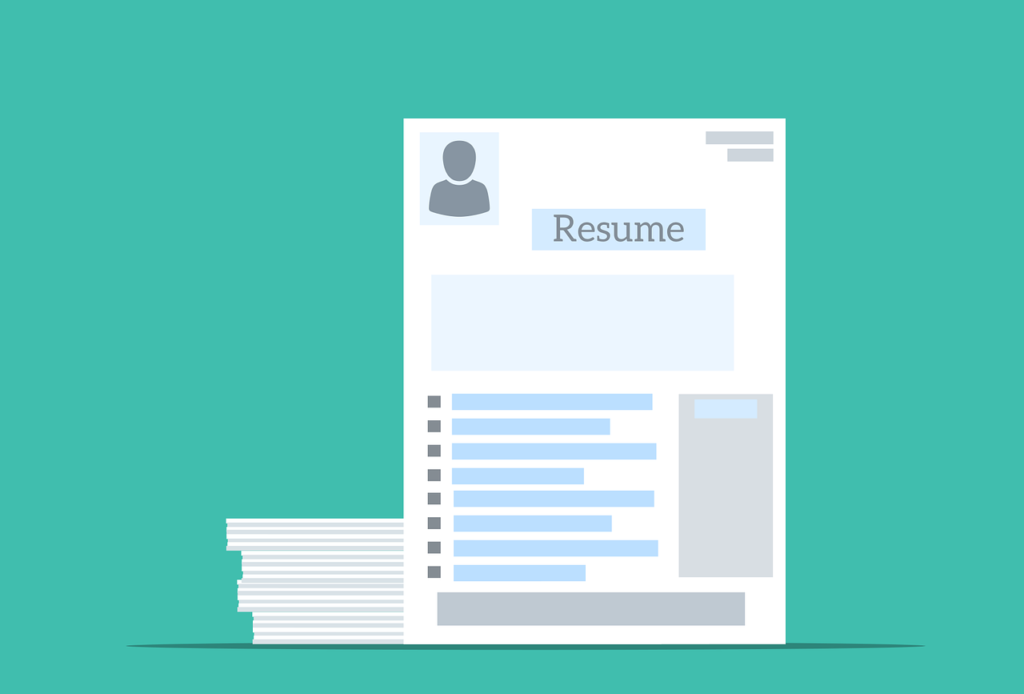
Your resume is not a document—it’s a first impression, and in 2026, impressions matter more than ever. Recruiters receive hundreds of resumes daily, and they spend less than 10 seconds deciding whether to shortlist someone. This means your resume must communicate clarity, confidence, learning, and relevance instantly.
A contemporary resume should focus on:
- The skills you have learned
- The projects or practical tasks you have completed
- Clear, action-oriented lines that describe your work
- Clean formatting, no fancy design that would confuse ATS
- Simple headings include the following: Skills, Projects, Experience, Education
Most importantly, your resume should sound like you, not like a template downloaded from the internet. Freshers often copy lines they do not understand. Recruiters instantly recognize this and reject such resumes. Authenticity, clarity, and relevance are what 2026 companies want to see. A strong resume doesn’t exaggerate—it demonstrates progress.
12.How to Optimize Your LinkedIn Profile for Visibility
LinkedIn is no longer optional; in 2026, it’s one of the most powerful tools for job seekers. Recruiters often search for candidates directly on LinkedIn, and if your profile appears professional, active, and structured, you stand a higher chance of being shortlisted even before applying.
Your profile should clearly state your domain interest—Cloud Engineer, Data Analyst, QA Tester, DevOps Intern, Cybersecurity Trainee, etc. Add a good headline, a clean summary explaining what you’re learning, your projects, your certifications, and any internships or volunteer work. Engage with posts for visibility—liking, commenting, and sharing insights helps the algorithm recognize your presence.
LinkedIn works on consistency. When recruiters see your growth journey through posts or profile updates, they feel more confident hiring you. A strong LinkedIn presence can be more powerful than a resume because it displays your learning in real time.
13. The Right Way to Prepare for Interviews
Interview preparation is not about memorizing answers; it’s about understanding concepts deeply and expressing them clearly. In 2026, companies evaluate three things above all:
- How well you understand the basics
- How self-assuredly you express your ideas
- How genuinely curious you are about learning and growth
When interviewers ask questions, they are not only testing your knowledge—they are observing your thinking style. Do you panic? Do you take a second to think? Do you explain logically? Do you ask clarifying questions? These behaviors matter more than textbook-perfect answers.
The best interview preparation strategy is simple:
- Understanding the Concept
- Practice explaining it loud
- Talk Learn from mock interviews
- Be frank when you do not know something
- Your tone can be relaxed and conversational or mechanical.
Companies in 2026 prefer candidates who show clarity rather than candidates who recite memorized lines.
14.Why Soft Skills Matter More Than Ever
The most underappreciated truth about the 2026 job market is that soft skills will decide who grows and who stays stuck. Technical knowledge can get your foot through the door, but soft skills determine whether you survive, succeed, and rise.
Skills like communication, teamwork, leadership potential, task ownership, emotional stability, adaptability, and problem-solving become increasingly valuable every year. These skills make you dependable. They make managers trust you. They make colleagues enjoy working with you. In a world where automation handles repetitive tasks, humans win through behavior, thinking, and emotional intelligence.
Soft skills are not learned overnight; they are developed through consistent practice, observing experienced professionals, and taking responsibility seriously. Those who understand this early will stand out naturally in 2026.
15. Building Real Projects to Strengthen Your Profile
In 2026, projects speak louder than certificates. Companies want proof that you can actually use the skills you claim to have learned. Even simple projects show recruiters that you understand workflows, tools, and execution.
For example:
Cloud learners can deploy websites or build simple architectures.
- Data analyst could either create a dashboard or analyze datasets.
- QA testers can write test cases or test sample applications.
- Cybersecurity beginners can perform vulnerability analyses on sample tools.
Projects don’t need to be perfect—they just need to be real. They demonstrate initiative, understanding, consistency, and commitment. When two candidates have the same skill set, the one with projects always gets chosen first.
16. Staying Relevant Through Continuous Learning

2026 will reward those who treat learning as a lifelong practice. Technologies evolve quickly, tools change, and job responsibilities expand. If you stop learning after getting your first job, you will eventually fall behind. On the other hand, those who take out even 20 minutes daily to upgrade themselves will maintain an advantage. Continuous learning doesn’t mean enrolling in new courses every month—it means revisiting concepts, practicing regularly, updating skills, and staying aware of industry developments. The best professionals stay students forever. This mindset alone can secure your future in the rapidly evolving job landscape.
17. Expert Final Advice How to Face 2026 with Confidence
The 2026 job market is not something to fear—it’s something to prepare for. Yes, competition will increase, expectations will rise, and companies will become more selective, but opportunities will also multiply for those who are skilled, confident, adaptable, and committed to growth. Your degree will not determine your success—your mindset, learning attitude, and discipline will. Build strong fundamentals, choose a domain that fits you, learn with purpose, practice with consistency, and present yourself professionally online and offline. The world rewards people who are able to prepare early, think clearly, and work steadily. Given the right roadmap and enough effort, 2026 can become the year of building the strongest foundation of your career. The job market only feels unpredictable for those who are unprepared. You start now, upgrade your skills, and put in the required dedication-you won’t just survive 2026; you’ll thrive in it.