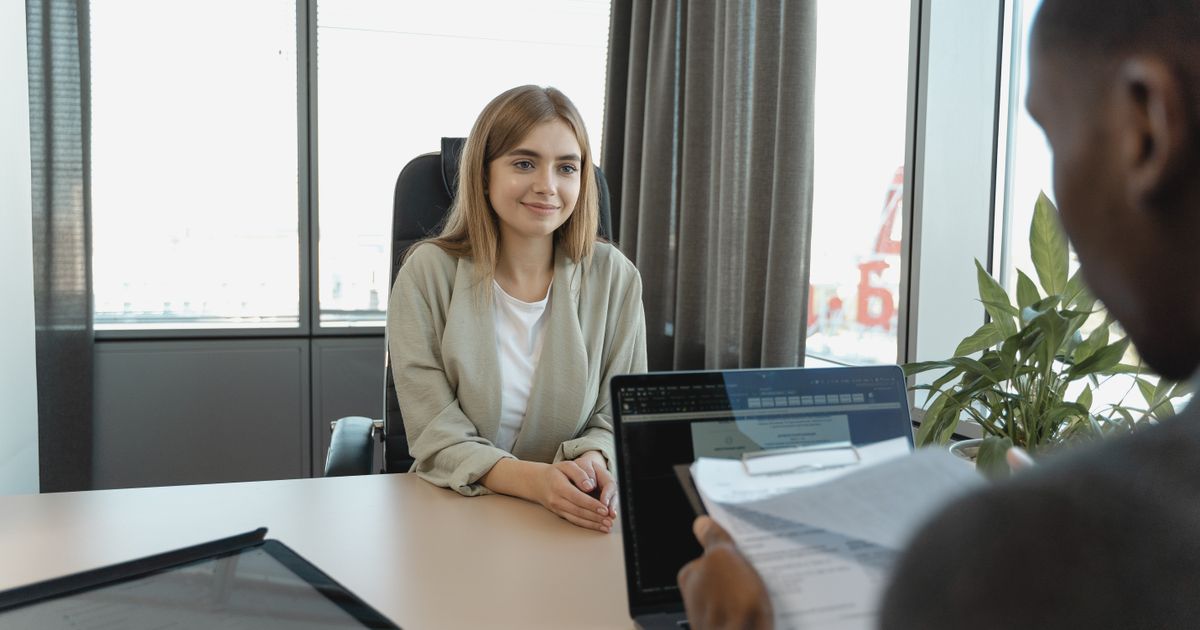
Walk-in interviews are one of the fastest ways freshers get hired in India — no lengthy application process, just show up with the right documents and get evaluated the same day. But because everything moves quickly, there’s less room to recover from being unprepared. Here’s exactly how to walk into a walk-in interview ready.
What a Walk-In Interview Actually Involves
A walk-in drive is exactly what it sounds like — a company opens its doors (or a designated venue) on a specific date for candidates to walk in without a prior scheduled slot. Most walk-ins compress the entire hiring process into a single day: a resume screening, a group discussion or written test in some cases, then one or more rounds of interviews, sometimes finishing with an on-the-spot offer. Because everything happens back-to-back, companies are evaluating not just your answers but your composure under a faster, more compressed process than a typical scheduled interview.
Documents to Carry — Don’t Skip This
Walk-ins reject candidates for missing paperwork far more often than people expect, and it’s an entirely avoidable mistake. Carry multiple physical copies of your resume, your original degree certificates and mark sheets along with photocopies, a government photo ID (Aadhaar or PAN), passport-sized photographs, and any offer letter or relieving letter if you have prior work experience. Missing even one of these can get you turned away at the registration desk before you’re seen by anyone.
| Item | Why It Matters |
|---|---|
| 4–5 resume copies | Different panel members often need their own copy |
| Original + photocopies of certificates | Verified on the spot in most walk-ins |
| Govt photo ID | Mandatory for entry at most corporate venues |
| Passport photos | Often needed for the entry form or ID badge |
Before the Day: What to Actually Prepare
Research the company briefly before you go — what it does, its major clients or products, and the specific role you’re walking in for. Even five minutes of research lets you answer “what do you know about us?” with something real instead of an awkward pause. Re-read your own resume carefully; interviewers frequently pick a single line from it and ask you to go deep, and stumbling over your own listed project or skill is one of the most avoidable mistakes in any interview, walk-in or otherwise.
Prepare tight answers for the predictable opening questions — “tell me about yourself,” “why this company,” “why should we hire you” — since walk-in interviewers move fast and have limited time per candidate; a rambling answer here costs you more than it would in a longer scheduled interview.

On the Day: Timing and First Impressions
Arrive early — ideally within the first hour of the walk-in window. Interviewers are fresher and more generous with time early in the day, and queues at popular walk-ins can stretch for hours by mid-morning, sometimes leading to candidates being turned away entirely once the day’s quota is met. Dress in formal or smart-business-casual attire regardless of the role; a walk-in is still a first impression, and being underdressed relative to other candidates stands out for the wrong reason.
Expect a long wait between stages. Bring something productive to do quietly — reviewing your notes, not scrolling reels — and stay visibly patient and polite with the front-desk staff and other candidates; recruiters do sometimes notice how candidates behave in the waiting area, not just in the interview room itself.
Handling the Group Discussion or Written Test
Many walk-ins include a group discussion or a short written aptitude test as a filter before individual interviews. In a group discussion, the goal isn’t to talk the most — it’s to make a few clear, relevant points and let others speak too; panels often penalize candidates who dominate or interrupt more than those who speak less but say something sharp. For written tests, basic quantitative aptitude, logical reasoning, and simple English comprehension are the most common formats — a quick refresher the night before is usually enough if you’ve prepared reasonably in the weeks leading up to your job search.

The Interview Itself
Walk-in interviews tend to be shorter and more direct than scheduled ones, so answer questions concisely and let the interviewer guide the depth rather than over-explaining unprompted. Be ready to discuss your resume in detail — projects, internships, and any technical skills listed — since that’s usually the fastest way for an interviewer to judge you within a compressed time slot. If you’re offered the role on the spot, it’s fine to ask for a short window (a day, not a week) to review the offer letter properly before accepting, rather than being pressured into an immediate yes.
Red Flags to Watch For
Genuine walk-ins never charge candidates a registration, processing, or “training” fee — if anyone at the venue asks for money at any stage, that’s a clear warning sign, not a normal part of the process. Similarly, be cautious of walk-ins advertised only through unofficial WhatsApp or Telegram forwards with no verifiable company link; always cross-check the drive against the company’s official careers page or a trusted job listing before you travel to attend one.
Walk-in interviews reward preparation and punctuality more than almost any other hiring format, simply because everything moves so fast. Show up early, carry every document, keep your answers tight, and you’ll be ahead of a large share of the candidates in that queue.
Written by Babu Addakula, Job Visit.